Our Blog

Invisalign Teen®: Why Invisalign® is the best choice for teens

August 11th, 2015

Those challenging teenage years are some of the most self-conscious ones of your life, and concern for your appearance definitely plays a large part. Invisalign is becoming a very popular choice for adolescent patients today, but is it the best choice?

The results from teenage Invisalign users indicate that Invisalign is both effective for teeth straightening and for satisfying that urge to avoid the dreaded “metal mouth.” Dr. Karen Seder can help you determine if Invisalign is right for you, but this article will explain why so many people are calling Invisalign the best choice for teens today.

Metal-Free Braces

Invisalign is a clear plastic device that fits directly over the teeth. There are no metal parts to mar the look of your smile, and your Invisalign aligners can straighten while allowing your pearly whites to shine through. Any teen will be the first to tell you that appearance is a top concern, so this is an excellent choice. People don’t even need to know you’re straightening your teeth with Invisalign.

Eat, Brush, and Floss Easily

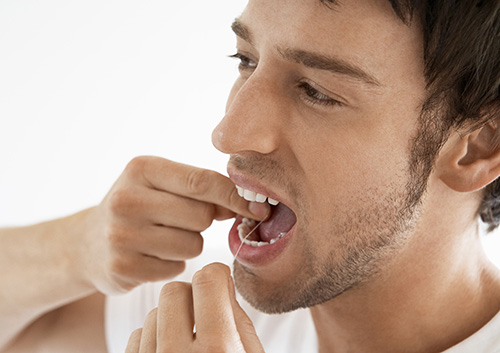
Another particularly attractive aspect of Invisalign for most teenagers is the freedom it allows. While traditional metal braces can make eating, brushing, and flossing difficult, this is not the case with Invisalign. The aligners are easily removable for these activities, which gives teens the freedom they desire to live life as usual.

More Free Time

Invisalign Teen aligners need to be checked and adjusted at Seder Orthodontics less frequently than traditional braces. This allows for fewer appointments, something that is really important to teens. Having your teeth straightened is no reason to forgo activities or make room in your schedule for constant office visits when you choose Invisalign.

Learn more about Invisalign Teen at our Chicago, IL office!

Looking Back at the Old Days of Braces

August 4th, 2015

Braces can be painful, but if you are a teen who loves being social, the worst part about them can be their look. They show up in your photos, and you will not be able to take braces-free photos for several months, or even years. The time will pass, though, and your teeth will be the better for it. In the meantime, consider the other people who have survived braces.

Plenty of People Get Braces

There are many reasons for getting braces:

  • Correct an overbite or underbite
  • Straighten teeth
  • Fix poorly-spaced teeth

With so many possible ways to get braces, it’s no surprise that they are so common.

Find Out Who Had Braces

The long lists of celebrities who had braces as teenagers or even adults can give you the comfort of knowing you are in good company. Even better, these lists provide visible proof that there is life on the other side of braces. Actors and actresses on the Cosby Show, Scrubs, and Ugly Betty, as well as tennis star Martina Hingis and Miss America 1975, Shirley Cothran, had braces. Ask your parents. If they didn’t have braces, there is a good chance that some of their siblings did.

Benefits of Braces

Wearing braces can make your life a lot better in the future. Your teeth will be more attractive, and your smile will shine through in photos of you. Straight teeth are not just about looks, though. They can prevent a variety of health problems, such as caries, gum disease, speech impairments, and trouble chewing. Be patient, and the benefits of braces will come.

The Importance of Orthodontic Treatment at a Young Age

July 28th, 2015

When you think of orthodontic treatment, you may automatically assume that it only relates to older children and teens with alignment and spacing issues. But this isn’t the case: Orthodontic treatment at Seder Orthodontics offers many benefits when applied at a young age.

By considering orthodontic treatment at a younger age, Dr. Karen Seder and our staff are able to identify your child’s alignment issues early on, and are able to intervene in order to provide treatment as the teeth begin to develop. It is important to start dental care early, not only for proper dental health and the cosmetic benefits, but to improve a child’s overall health as well.

The Benefits of Straighter Teeth

Besides the cosmetic benefits, there are multiple advantages to starting orthodontic treatment at a young age:

  • It can reduce the extent of orthodontic treatment needed later.
  • With early treatment, the pediatric dentist helps guide the teeth into their right position to prevent the removal of teeth and improve an overbite, underbite, or crossbite.
  • Straighter teeth are easier to clean and better for preventing tooth decay.
  • As a benefit to you, the parent, your child’s orthodontic expenses will be much lower with early treatment.
  • Lastly, much early treatment is covered by dental insurance.

Stages of Orthodontic Treatment

Multiple stages are included in early orthodontic treatment, with three stages in all:

The first stage is early treatment that starts around age two or three, and continues until the child is around six years old. This stage deals with preventive measures, such as avoiding bad habits that lead to crooked teeth and creating a plan for the future based on how the teeth are growing in.

During stage two, when the child is six to 12 years old, the first permanent teeth erupt and the dentist looks at possible early treatment for misalignment or bite issues.

Finally, stage three occurs during adolescence to correct any further problems with permanent teeth.

Dr. Karen Seder and our staff are able to see how the teeth first erupt and know right away whether or not your child will need to have braces later on. Early treatment means fewer procedures, cleaner teeth, and less expense.

The Effects of Biting Your Nails

July 21st, 2015

Also known as onchophagia, the habit of nail biting is one of the so-called “nervous habits” that can be triggered by stress, excitement, or boredom. Approximately half of all kids between the ages of ten and 18 have been nail biters at one time or another. Experts say that about 30 percent of children and 15 percent of adults are nail biters, however most people stop chewing their nails by the time they turn 30.

Here are four dental and general reasons to stop biting your nails:

1. It’s unsanitary: Your nails harbor bacteria and germs, and are almost twice as dirty as fingers. What’s more, swallowing dirty nails can lead to stomach problems.

2. It wears down your teeth: Gnawing your nails can put added stress on your pearly whites, which can lead to crooked teeth.

3. It can delay your orthodontic treatment: For those of our patients wearing braces, nail biting puts additional pressure on teeth and weakens roots.

4. It can cost you, literally: It has been estimated that up to $4,000 in extra dental bills can build up over a lifetime.

Dr. Karen Seder and our team recommend the following to kick your nail biting habit:

  • Keep your nails trimmed short; you’ll have less of a nail to bite.
  • Coat your nails with a bitter-tasting nail polish.
  • Ask us about obtaining a mouthguard, which can help prevent nail biting.
  • Put a rubber band around your wrist and snap it whenever you get the urge to gnaw on your nails.
  • Think about when and why you chew your nails. Whether you are nervous or just bored, understanding the triggers can help you find a solution and stop the habit.
  • If you can’t stop, behavioral therapy may be an effective option to stop nail biting. Ask Dr. Karen Seder and our team for a recommendation.

Schedule a Complimentary Consultation

Top
Contact Us!
call email