July 5th, 2016

The dog days of summer are upon us, and what better time for Dr. Karen Seder and our team to ask our patients about their summer!
Whether you visited our nation’s capital, went on a camping trip, or just stayed in Chicago, IL and relaxed, we want to know how you’re all spending your summer! Please feel free to share your summer plans and experiences with us below or on our Facebook page as summer rolls on!
June 28th, 2016

At Seder Orthodontics, there are a few things we want to remind you of when you're on vacation, so that a day with friends and family won’t be spent dealing with an orthodontic emergency. Firstly, we are here for you whether you are in town or out of town on vacation. Give us a call and we may be able to address the problem over the phone. Second, if we are unable to help you fix the problem over the phone, we will help you find an orthodontic practice in your vacation area that can help you.
If you experience problems reaching our office, we suggest going online and searching for orthodontic practices in your area. Most orthodontists will lend a helping hand to another orthodontic patient and get them out of pain or discomfort.
If you have braces, whether they are metal, ceramic, or lingual, Dr. Karen Seder and our team suggest steering clear of the following foods to avoid broken brackets and/or wire distortion while you are on vacation:
- Chewy, sticky, or gummy food
- Apples, pears and other whole fruits (cut fruit into thin wedges before consuming)
- Bagels and hard rolls
- Bubble gum
- Corn on the cob
- Hard candies
- Hard cookies
- Pretzels
- All varieties of nuts, including peanuts, almonds, and cashews
Finally, if you have clear aligners and you lose your tray, don’t worry! Simply put in either the previous tray or the next tray and contact us as soon as you get home!
Follow these tips and you can have a worry-free vacation!
June 21st, 2016
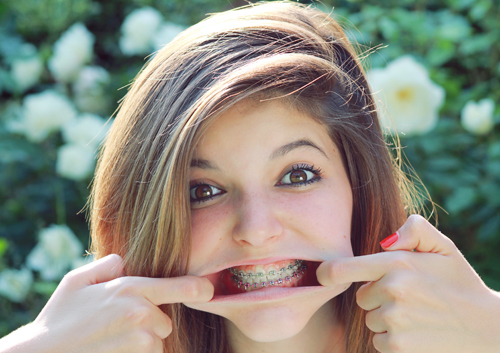
The goal of orthodontic treatment at Seder Orthodontics, which may include the use of braces, retainers, and aligners, is to straighten your teeth. Treatment often starts in the pre-teen or teenage years, but adults may also need orthodontic treatment. The treatment can feel like a chore that lasts for several months or a couple of years, but it can fix important problems. These include:
- Crowded teeth spaced too close together
- Gaps between your teeth
- Crooked teeth
- Overbite or underbite
- Upper and lower teeth that do not meet
Straight Teeth are More Attractive
You are more likely to be proud of your smile when your teeth are straight and evenly spaced. Pride in your appearance can give you more confidence and encourage you to try new things. This can be particularly important for adolescents. In addition, people often judge others based on first impressions. A smile that shows straight teeth is more attractive.
Better Oral Health is Easier
Brushing and flossing your teeth are two basic components of an oral health routine to protect your teeth from conditions such as tooth decay, gingivitis, and plaque build-up. As Dr. Karen Seder and our staff know, caring for your mouth is easier when your teeth are straight. The American Dental Association says the following conditions are less likely to occur if you have the proper orthodontic treatment.
- Dental caries
- Gum disease or gingivitis
- Tooth loss
- Impaired speech
- Worn tooth enamel
Orthodontic Treatment Improves Nutrition
Poorly aligned teeth can reduce your ability to chew properly or make certain foods more difficult to eat. Many of these more challenging foods are healthy, and avoiding them can cause you to limit your diet to softer, often less-nutritious foods, such as ice cream and canned soup. Straighter teeth and a better ability to chew let you eat crunchy foods, such as apples and carrots; stringy foods, such as asparagus and chicken; and chewy foods, such as raisins.
June 14th, 2016
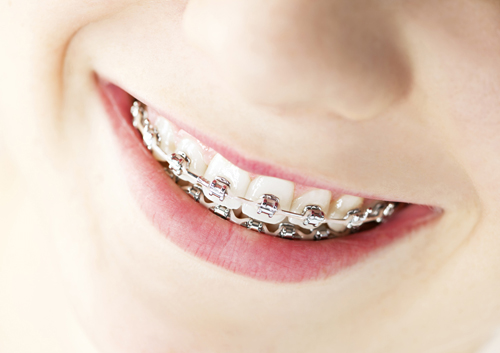
In recent years, many links have been established between orthodontic treatments and whole body health. According to the National Institute of Dental and Craniofacial Research, researchers have observed that people with gum disease are more likely to develop heart disease or experience difficulty controlling blood sugar than people without gum disease. While researchers continue to find associations between oral health and the overall health of the body, as of yet it hasn’t been determined whether gum disease is the sole cause of these health conditions. What can be determined, however, is that good oral health isn't just about maintaining a healthy smile; it has an impact on the health of your entire body.
The associations between gum disease and whole body health
The links between the health of your mouth and the health of your body are too many to ignore. Is it a coincidence that gum disease and other health problems occur together? Researchers don’t think so, despite the lack of definitive proof.
Here are four possible connections between the health of your mouth and the health of your body.
- Excessive oral inflammation has been linked to a greater incidence of clogged arteries.
- The American Society of Microbiology has revealed that certain types of oral bacteria can infect the arterial cells and weaken the wall of the heart.
- Loose teeth are often believed to be a warning sign for osteoporosis, a disease that causes the bones to become less dense.
- Some studies suggest women with gum disease are more likely than those without gum disease to deliver preterm, low-weight babies.
Orthodontics and gum disease
So what does undergoing orthodontic treatment at Seder Orthodontics have to do with gum disease? Braces do so much more than give you a nice-looking smile. Quite simply, straight teeth are easier to keep clean than crooked teeth. Your toothbrush is able to remove more plaque-causing bacteria, and your floss is more effective at ridding tiny particles between your teeth.
Despite the lack of hard facts in these findings, the message is clear: If you improve your oral health, you will also have a greater chance of maintaining the health of your entire body. And that’s a chance Dr. Karen Seder and our team at Seder Orthodontics believe is worth taking. For more information about this topic, please give us a call at our convenient Chicago, IL office or ask Dr. Karen Seder during your next visit!

 Website Powered by Sesame 24-7™